How to Find Curtains That Match Your Home's Style and Everyday Needs
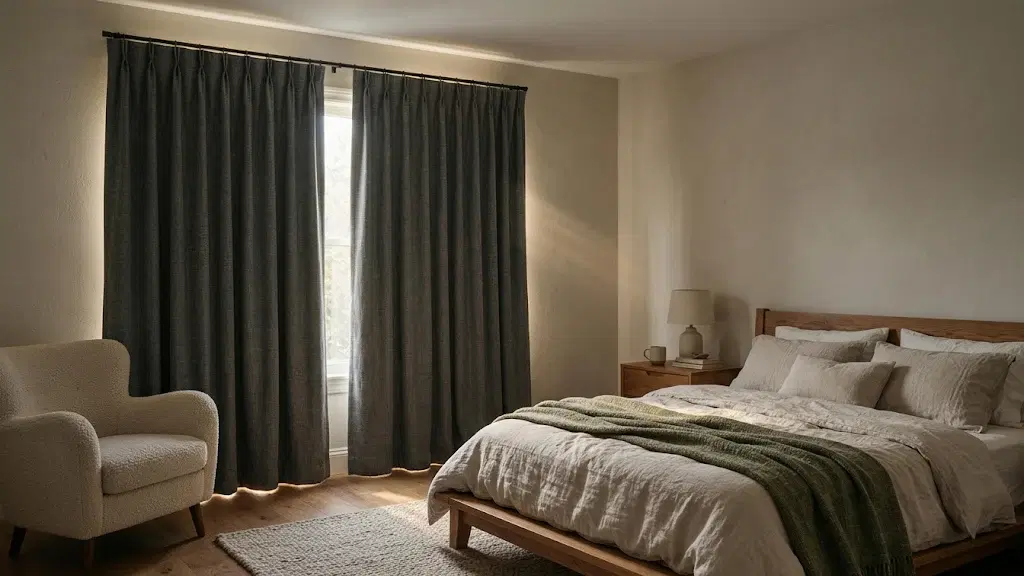
Decorating a home involves making decisions that affect both its appearance and everyday comfort. From choosing furniture and flooring to selecting wall colours and lighting, each element contributes to the overall atmosphere. Windows deserve the same attention because they influence how natural light enters a room and how the interior connects with its surroundings.
Curtains are one of the most versatile additions to a home. They offer privacy, help manage sunlight, and provide an opportunity to introduce different colours, patterns, and textures. A carefully selected set of curtains can make an ordinary room feel more complete without requiring significant changes to the existing decoration.
However, choosing suitable window coverings is not always straightforward. Different rooms have different requirements, and the material that works well in a bedroom may not be appropriate for a kitchen or dining area. Window dimensions, furniture arrangements, lighting conditions, and maintenance preferences should all be considered.
Understanding these details can help homeowners make practical choices while creating interiors that reflect their personal tastes.
Understanding the Role of Curtains in Home Decoration
Curtains serve both functional and decorative purposes. Their most obvious job is covering windows, but they also influence the atmosphere and visual balance of a room.
Large windows can bring plenty of daylight into a property, making the interior feel open and welcoming. However, direct sunlight can sometimes create glare on electronic screens or make certain areas uncomfortable. Curtains provide an adjustable way to manage these conditions.
Privacy is another important consideration. Homes located near busy roads, neighbouring properties, or shared residential spaces may need additional window coverage. Appropriate curtains help occupants feel more comfortable without permanently blocking their windows.
From a design perspective, curtains can connect different elements of a room. Their colours may complement sofas, carpets, cushions, or bedding, while their textures can introduce contrast against smooth walls and furniture.
This combination of practical and decorative benefits makes window treatments an important part of interior planning.
Exploring Different Curtain Styles
Before purchasing curtains, it is useful to understand the main styles available. Each design offers different characteristics, and selecting the right one depends on the room's purpose.
Eyelet Curtains
Eyelet curtains are widely used in contemporary homes because of their straightforward design. Metal rings are fitted into the upper part of the fabric, allowing the panels to slide directly onto a curtain pole.
This creates consistent folds and a relatively clean appearance. Eyelet curtains work particularly well in modern bedrooms and living rooms.
They are available in numerous colours and materials, making them easy to coordinate with different decorating styles.
Pencil Pleat Curtains
Pencil pleat curtains feature gathered fabric along the top, creating a traditional decorative finish.
They are versatile and can work with different types of interiors. Their gathered appearance makes them suitable for bedrooms, dining areas, and living spaces where a softer curtain style is preferred.
They can also be arranged according to the fullness required for the window.
Pinch Pleat Curtains
Pinch pleat curtains feature structured folds that give the fabric a more tailored appearance.
They are commonly selected for formal interiors where decorative detail is important. These curtains can look particularly attractive in spacious rooms with traditional furniture or carefully coordinated furnishings.
Because the folds are more structured, correct measurements are important for achieving the intended appearance.
Sheer Curtains
Sheer curtains are made from lightweight materials that allow daylight to filter into a room.
They are useful when homeowners want to soften direct sunlight without making the interior feel dark. Living rooms and dining spaces are common places where these fabrics work well.
However, sheer curtains offer limited privacy after dark when interior lights are switched on. Combining them with heavier panels can provide greater flexibility.
Choosing the Right Fabric for Your Windows
The material used in curtains affects their appearance, durability, weight, and maintenance requirements. Different fabrics are suitable for different rooms, so it is important to consider how the window coverings will be used.
Cotton for Everyday Versatility
Cotton is a popular material because it works with a wide range of interior designs. It is available in different weights, patterns, and colours.
Lightweight cotton curtains create a relaxed atmosphere, while heavier options provide more coverage. They can be suitable for bedrooms, living rooms, and dining areas.
One consideration is that certain cotton fabrics may shrink or wrinkle if cleaned incorrectly. Following the manufacturer's care instructions helps maintain their appearance.
Linen for a Natural Finish
Linen is valued for its natural texture and understated appearance. It complements interiors featuring wooden furniture, neutral colours, and minimalist decoration.
Its lighter varieties allow daylight to filter through, creating a softer atmosphere around windows.
However, standard lightweight linen may not provide sufficient coverage when stronger privacy or light reduction is required. Lined alternatives can be considered when additional functionality is important.
Polyester for Practical Maintenance
Polyester is commonly used for residential curtains because it is available in many colours, textures, and designs.
Many polyester fabrics are practical for everyday use and relatively straightforward to maintain. Different constructions also provide options with varying thicknesses and levels of coverage.
This makes polyester worth considering for households that prefer versatile materials without complicated cleaning requirements.
Velvet for a Decorative Statement
Velvet curtains offer a rich texture and substantial appearance. They can introduce depth into bedrooms and formal living spaces, especially when combined with upholstered furniture and complementary colours.
Their heavier construction also makes them suitable for situations where additional window coverage is preferred.
However, velvet may require specialist cleaning. Homeowners should consider these maintenance requirements before selecting this material.
Selecting Curtains According to the Room
A suitable curtain design should reflect the purpose of the room. Using the same fabric and style everywhere may not provide the most practical result.
Bedroom Curtains
Bedrooms should provide an environment where occupants can relax and enjoy privacy.
Heavier fabrics and lined curtains are useful when windows receive strong sunlight or face neighbouring buildings. Blackout and room-darkening options may also be appropriate when reducing external light is a priority.
Colour selection should complement bedding, furniture, and wall decoration. Soft grey, cream, beige, muted blue, and pale green can create a calm appearance.
Floor-length curtains are a popular choice because they provide a polished finish and can make windows look more prominent.
Living Room Curtains
Living rooms are frequently used for entertaining visitors, relaxing, and spending time with family.
Their window coverings should balance natural brightness, privacy, and decorative appeal.
Sheer curtains can soften incoming sunlight, while heavier outer panels provide additional coverage when necessary. This arrangement allows homeowners to adjust the window treatment according to the time of day.
The material should complement the main furniture. Plain fabrics often work well with patterned sofas, while textured curtains can introduce interest into simpler interiors.
Kitchen Curtains
Kitchen curtains should be selected with everyday practicality in mind.
Cooking activities can expose fabrics to moisture, grease, and food-related odours. Materials that are easier to clean may therefore be more suitable than delicate alternatives.
Lightweight curtains can help preserve natural brightness and maintain an open atmosphere.
It is also important to consider the position of the window in relation to cooking appliances. Curtains should remain safely away from open flames and hot surfaces.
Dining Room Curtains
Dining areas benefit from a welcoming atmosphere where lighting and decoration work together.
Medium-weight materials can provide a balance between daylight and privacy. Neutral colours suit simple interiors, while subtle patterns can add character without overwhelming the room.
For larger dining room windows, wider panels may be necessary to create attractive folds when closed.
Home Office Curtains
A home office requires appropriate lighting for reading, computer work, and online meetings.
Direct sunlight can create glare on screens, particularly when desks are positioned close to windows. Adjustable curtains provide a practical way to manage brightness throughout the day.
Simple patterns and neutral colours often work well because they complement desks, shelving, and other office furniture.
How to Choose Curtain Colours That Complement Your Interior
Colour selection has a strong influence on the appearance of a room. Since curtains often cover a considerable part of a wall, their shades should complement the surrounding decoration.
Neutral colours such as white, beige, cream, and soft grey remain popular because they work with different furniture styles. They are particularly useful when homeowners want an interior that can accommodate future decorating changes.
Darker shades, including navy, charcoal, forest green, and chocolate brown, can introduce contrast and add depth.
Pastel shades provide another option for softer interiors. Pale blue, muted pink, and sage green can complement bedrooms and relaxed living spaces.
Patterns should be selected according to the existing decoration. If a room already contains patterned cushions, rugs, and upholstery, plain curtains may create better visual balance.
In simpler interiors, floral patterns, geometric designs, and subtle stripes can introduce personality.
A useful approach is to repeat one of the colours already present in the room. This creates a visual connection between the curtains and the surrounding furniture.
Getting the Measurements Right
Accurate measurements are essential for achieving a neat and balanced window treatment. Even attractive curtains may look unsuitable when they are too narrow or too short.
Begin by measuring the curtain pole or track rather than relying only on the dimensions of the window glass. This provides a better indication of the total width that needs to be covered.
Consider the fullness required to create natural folds. Curtains that are stretched tightly across a window may appear flat and fail to provide the desired decorative finish.
Length is equally important. Some homeowners prefer panels that finish just above the floor, while others choose slightly longer curtains for a softer appearance.
Furniture placement should also influence the measurements. A radiator, desk, or storage unit underneath a window may make shorter curtains more practical.
Before placing an order, check the curtain heading and installation requirements. Different styles may need different fittings and measurements.
Taking time to check these details can help prevent unnecessary adjustments and additional expenses.
Making Better Use of Natural Light
Natural daylight can improve the appearance of an interior, but its intensity changes throughout the day.
Rooms with large windows may receive strong sunlight during certain hours, while other areas remain relatively shaded.
Layered curtains are a practical option when homeowners want more control over these conditions. A lightweight sheer layer can soften daylight, while heavier outer panels provide additional coverage when required.
This arrangement works particularly well in living rooms and bedrooms because it allows occupants to adjust the window treatment according to their preferences.
Curtain positioning also matters. Installing the pole slightly above the window frame can create the impression of greater height. Extending it beyond both sides allows the panels to sit away from the glass when open, helping preserve natural light.
Maintaining Curtains for Long-Term Use
Regular maintenance helps preserve the appearance and condition of window coverings.
Dust can gradually accumulate on fabrics, especially near windows that are frequently opened. Vacuuming with a soft upholstery attachment can help remove loose particles.
Cleaning requirements depend on the material. Some cotton and polyester curtains may be machine washable, while velvet and delicate fabrics may require professional cleaning.
Always follow the manufacturer's care instructions before washing. Incorrect water temperatures, detergents, or drying methods can cause fading, shrinkage, or fabric damage.
Curtain poles, hooks, brackets, and tracks should also be inspected occasionally. Loose fittings can make curtains difficult to operate and may place unnecessary pressure on the material.
A simple maintenance routine helps keep window coverings attractive and functional for longer.
Common Mistakes to Avoid When Choosing Curtains
Selecting suitable curtains becomes easier when homeowners understand some common purchasing mistakes.
Choosing fabric without considering the room: A lightweight material may be suitable for a dining area but insufficient for a bedroom that needs greater privacy.
Ignoring measurements: Incorrect width or length can affect coverage and appearance. Always measure the complete installation area.
Selecting colours independently: Curtains should complement the walls, flooring, furniture, and existing decoration.
Overlooking cleaning requirements: Some fabrics require specialist care. Consider the maintenance routine before making a purchase.
Forgetting about installation: Even suitable curtains may not achieve the desired appearance when the pole or track is positioned incorrectly.
Paying attention to these factors can make the selection process more straightforward and help avoid unnecessary replacements.
Finding Window Curtains That Suit Your Home
Choosing curtains involves comparing different fabrics, designs, colours, and practical features. Every home has its own window dimensions and decorating preferences, so the most suitable option depends on individual requirements.
Homeowners can browse curtains designed for your home to explore different styles and consider which designs may complement their bedrooms, living spaces, and other interior areas.
Before making a final decision, review the fabric details, measurements, available colours, and cleaning recommendations. Consider how the curtains will look when open and closed, as both positions influence the overall appearance of the room.
For additional questions about suitable window treatments or available options, homeowners can contact us for curtain enquiries to discuss their requirements.
Taking time to compare different choices can make the purchasing process easier and help ensure that the selected curtains are appropriate for their intended use.
Final Thoughts
Curtains play an important role in creating a comfortable and attractive home. They help manage natural light, provide privacy, complement furniture, and introduce colours and textures that make interiors feel more complete.
The right choice depends on the purpose of the room, preferred material, available daylight, and overall decorating style.
By considering fabric quality, curtain styles, colours, measurements, installation methods, and maintenance requirements, homeowners can make more informed decisions.
A carefully selected set of curtains can improve the appearance and functionality of a room without requiring major changes to the property. With thoughtful planning, window treatments can become a practical and attractive part of any home's interior.